Furnace Repair in Fort Worth, TX


25+ Years of Experience


Proudly
Est. in 2012


Financing
Available


Dedicated to
Your Comfort

Contact Us to Schedule

Furnace Repair for Fort Worth Homes

A Fort Worth furnace might only run hard for a few months a year, but when it quits on a freezing night, nothing else in the house matters. Breeze Air, Heat & Electrical has repaired gas and electric furnaces across Fort Worth and the northeast Tarrant mid-cities since 2012. We diagnose the actual cause of the failure, show you what we find, and give you a straight repair-or-replace recommendation. As a dual-licensed contractor (HVAC TACLA42955E, electrical TECL34012), we can also tell whether a heating problem is the furnace itself or the circuit feeding it, which saves you a second service call.

North Texas winters are mild most weeks, then deliver a hard freeze that pushes every furnace in the area to run flat out for days. That pattern is hard on heating equipment: a furnace that sat mostly idle since February gets asked for everything at once, and the weak igniter, the dirty flame sensor, or the worn blower bearing that was limping along gives out exactly when you need heat the most. Catching the early warning signs before the next cold snap is the difference between a quick repair visit and a no-heat night.

Warning Signs Your Furnace Needs Repair

If you notice any of these, it is worth a call before the problem grows:

  • Short Cycling
    The furnace fires up, runs a few minutes, and shuts back down without finishing a heating cycle. Common causes are a clogged filter overheating the heat exchanger, a dirty flame sensor, a venting problem, or an oversized system. Short cycling wears parts out fast.
  • Burning or Unusual Smells
    A brief dusty smell at the first start of the season is normal. A persistent burning, electrical, or hot-plastic smell is not - it can point to an overheating motor, scorched wiring, or debris on the heat exchanger, and the furnace should be shut down until it is inspected.
  • Yellow Pilot Light or Yellow Burner Flame
    A healthy gas flame burns blue. A yellow, orange, or flickering flame signals incomplete combustion, often from dirt or a venting issue, and incomplete combustion can produce carbon monoxide. This one is a safety issue, not just a comfort issue.
  • Cold Spots and Uneven Heating
    Some rooms are warm while others stay cold. The cause can be a weakening blower, duct leaks or blockages, or a furnace that can no longer keep up with the load. We trace where the heat is being lost instead of guessing.
  • Blowing Cold or Lukewarm Air
    The blower runs but the air never warms up. Usual suspects are an ignition or pilot failure, a flame sensor shutting the burners down, or a thermostat or control board fault.
  • Breaker Trips When the Furnace Starts
    A furnace that trips the breaker can be a failing blower motor drawing too much current, or a problem in the circuit itself. Because we hold the electrical license too, we test both sides.
  • Rising Heating Bills
    A furnace working harder than it should, from a dirty filter, a weak blower, or burner problems, shows up on the utility bill before it fully quits.

Contact Us


Want financing but don’t know where to start?
Our team can help you find options that work for you.
Contact Us for Financing

Reviews From Our Customers

How We Diagnose a Furnace Problem

A good furnace repair starts with a real diagnosis, not a parts swap. Gas furnaces in particular run a strict safety sequence - thermostat call, inducer motor, pressure switch, igniter, gas valve, flame sensor, blower - and a fault anywhere in that chain shuts the whole system down by design. When we arrive, we work through the sequence to find where it breaks:

  1. Confirm the symptom. We check the thermostat call and watch what the furnace actually does versus what it should do at each step of the startup sequence.
  2. Check the electrical side. The breaker, the circuit, the transformer, the control board, and the blower motor are common failure points, and our electrical license means we can test the wiring feeding the furnace, not just the furnace.
  3. Inspect combustion and venting. We look at the burners, flame sensor, igniter, flame color, and flue to confirm the furnace is burning cleanly and venting safely.
  4. Check the heat exchanger. Cracks in the heat exchanger can let combustion gases into the air stream, so it gets a careful look on any older or short-cycling furnace.
  5. Show you what we find. We explain the cause, walk through the repair options, and give a written estimate before any work begins.

We carry common failure parts - igniters, flame sensors, capacitors, and motors - so many furnace repairs are finished in the same visit. If a part has to be ordered, we tell you up front and get the heat back on as soon as it arrives.

Repair or Replace? An Honest Answer

Not every furnace fault is worth repairing, and not every aging furnace needs to be replaced. The factors we weigh with you are the age of the unit, the cost of the repair relative to the value of the equipment, how often it has needed service in recent winters, and above all the condition of the heat exchanger. A flame sensor or igniter on a mid-life furnace is an easy repair. A cracked heat exchanger is a different conversation, because it is both the most expensive component in the furnace and a safety issue, and at that point replacement is usually the sensible path. If you do end up there, our furnace installation page covers how we scope and size a new system. Either way, we lay out both paths and the decision stays yours.

Same-Day Heating Help

A no-heat call during a North Texas freeze should not sit in a queue for days. We offer same-day service during business hours when scheduling allows, and we are available seven days a week - Monday through Friday 8am to 5pm and weekends 8am to 7pm. When you reach out, tell us what the furnace is doing - no heat at all, blowing cold air, short cycling, a burning smell, a tripped breaker - and we can arrive prepared for the most likely cause.

Why the Dual License Matters for Furnace Repair

A large share of furnace failures are electrical, not mechanical. Blower motors burn out, control boards fail, transformers short, wiring connections loosen, and breakers trip - and on an electric furnace, the heating elements and sequencers are electrical components through and through. The trouble is that the fault often sits on the line between the furnace and the house wiring. A furnace that gets no power at all might have a failed board, or it might have a bad breaker or a damaged circuit. Most HVAC-only contractors stop at the disconnect and tell you to call an electrician, which means a second company, a second trip charge, and a second diagnosis while the house stays cold.

Breeze holds both the HVAC license (TACLA42955E) and the electrical license (TECL34012), so the same technician can chase a furnace fault across both trades in a single visit. If the problem turns out to be the circuit, the panel, or the wiring rather than the furnace, we are licensed to repair that too. For Fort Worth homeowners that usually means a faster fix and one bill instead of two.

Texas Winters Are Short but Hard on Furnaces

Fort Worth heating season is nothing like the upper Midwest, and that is exactly the problem. A furnace here sits mostly idle for eight or nine months, then a hard freeze rolls through and it has to run nearly continuously for days. Long idle periods let dust settle on burners and flame sensors, and the sudden sustained demand exposes every weak part at once. The freezes are rare, but they are damaging - and they tend to hit every house on the block at the same time, which is when repair schedules fill up. The cheapest insurance is a heating tune-up before the season starts; our furnace maintenance page covers what a visit includes. And since the same thinking applies to the cooling side of your system, see AC repair for the summer half of the story.

Common Furnace Failures We See in Fort Worth

  • Dirty flame sensors. The most common no-heat call we see. A sensor coated in residue cannot confirm the flame, so the furnace shuts the gas off seconds after ignition.
  • Failed hot surface igniters. Igniters are brittle and age out; the furnace clicks and tries to light but never fires.
  • Clogged filters. A starved blower overheats the heat exchanger and trips the limit switch, which reads as short cycling.
  • Worn blower motors and capacitors. Long idle months followed by continuous freeze duty is hard on motors and bearings.
  • Control board and wiring faults. The cross-trade failures our electrical license lets us resolve in one visit.

Serving Fort Worth and the Mid-Cities

We repair furnaces across Fort Worth and the northeast Tarrant mid-cities, including North Richland Hills, Hurst, Watauga, and Southlake.

Our Furnace Repair and Heating Service

A furnace you can count on matters most on the handful of nights Fort Worth actually freezes. Here is what we handle:

  • Diagnostic Services
    We work through the furnace's startup sequence to pinpoint the exact cause of the failure before recommending a repair.
  • Repairs
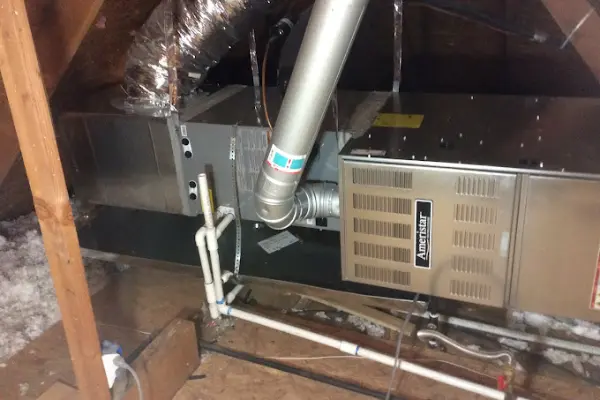
    Igniters, flame sensors, blower motors, control boards, gas valves, and limit switches on gas and electric furnaces, with quality parts. We service all major brands and work regularly with Armstrong and Lennox equipment.
  • Maintenance
    Pre-season tune-ups that catch the weak igniter and the dirty flame sensor before the first freeze. See furnace maintenance.
  • Electrical Diagnosis
    Because we hold the electrical license, we test the breaker, circuit, and wiring feeding the furnace, not just the unit itself.
  • Replacement When It Makes Sense
    When a repair no longer adds up, we scope a properly sized new system. See furnace installation.

Furnace Repair FAQs

  • Why is my furnace blowing cold air? The most common causes are an ignition or pilot problem, a dirty flame sensor shutting the burners down, a thermostat fan setting running the blower without heat, or a control fault. We diagnose the actual cause and show you what we find before any repair.
  • Why does my furnace turn on and off every few minutes? That is short cycling. It is often a clogged filter overheating the heat exchanger, a dirty flame sensor, a venting problem, or a furnace that is oversized for the home. Short cycling wears parts out quickly, so it is worth diagnosing early.
  • What does a yellow pilot light or yellow burner flame mean? A healthy gas flame burns blue. A yellow or flickering flame points to incomplete combustion, often from dirt or a venting problem, and incomplete combustion can produce carbon monoxide. Shut the furnace down and have it inspected before running it again.
  • Should I repair or replace my furnace? We weigh the age of the furnace, the cost of the repair relative to the value of the equipment, how often it has needed service, and the condition of the heat exchanger. A cracked heat exchanger usually means replacement; most other faults are repairable. We lay out both paths so the decision is yours.
  • My furnace keeps tripping the breaker. Is that the furnace or the wiring? It can be either. Breeze holds both the HVAC license (TACLA42955E) and the electrical license (TECL34012), so the same technician can test the furnace and the circuit feeding it in one visit.
  • Do you offer same-day furnace repair? We offer same-day service during business hours when scheduling allows. We are open Monday through Friday 8am to 5pm and Saturday and Sunday 8am to 7pm.

Schedule Your Furnace Repair

Don't wait for the next freeze to find out whether your furnace is ready. Contact us to schedule your furnace repair and we will follow up to get you on the calendar.

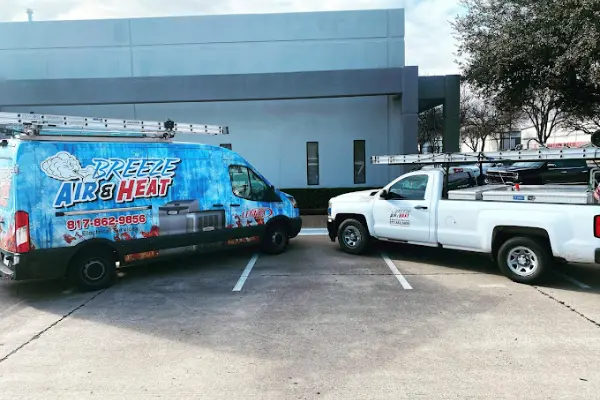
Breeze Air, Heat & Electrical service trucks in Fort Worth, TX
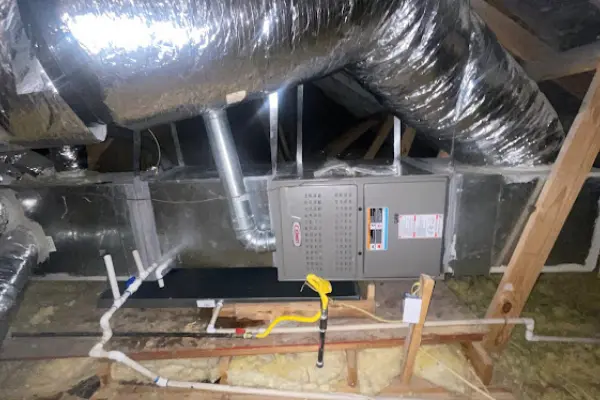
Furnace repair service in Fort Worth, TX
Technician repairing a furnace in Fort Worth, TX

Our Featured Rebates & Specials

We’re happy to offer rebates and specials to help you save on our services and products.

Oncor rebates for your next HVAC installation

Your Oncor Rebate Provider

As a trusted Oncor service provider, we’re authorized to provide you rebates for your system upgrades. Oncor provides rebates and incentives including:

  • Incentives ranging from $300 up to $2,800
  • Incentives for low-income household upgrades
  • Discounts as high as $500 on smart products such as smart thermostats
Contact Us to Apply

$649
SURGE PROTECTOR SPECIAL
Whole Home Surge Protector & Electrical Panel Maintenance

Contact Us

Expires On: 07/01/2026

$129 Tune-Up
FOR EACH SYSTEM
Spring/Summer
AC TUNE UP SPECIAL

Contact Us

Expires On: 07/01/2026

Up to
$999 OFF
Lennox System Install

Contact Us

$75 OFF
Duct Cleaning Special

Contact Us

Expires On: 07/01/2026

About Us  |  ©Red Barn Media Group 2026